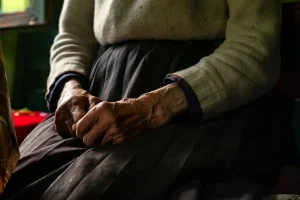
Losing a spouse is one of life’s hardest experiences. The quiet that follows can feel unbearable. Loneliness after this kind of loss is real, common, and deserves honest attention.
Why Losing a Spouse Feels So Isolating
A spouse is often a daily companion of decades. Their absence changes routines, conversations, and the rhythm of a whole day.
Researchers call this the widowhood effect. Losing a spouse can increase health risks for the surviving partner, especially soon after the loss.
Grief affects sleep, appetite, and the body’s stress response too.
Common Feelings After the Loss of a Spouse
Grief rarely follows a straight line. Many people experience a mix of feelings, sometimes within the same hour.
- Numbness or disbelief, especially in the early weeks
- Guilt over small things left unsaid or undone
- Anger at the unfairness of the loss
- Relief, if illness came before the death, followed by guilt about that relief
- A house that suddenly feels too quiet
These reactions are typically normal parts of grieving. There is no fixed timeline for any of them.

The Health Risks of Ongoing Loneliness
Loneliness is more than an uncomfortable feeling. For older adults, prolonged loneliness can carry real health consequences.
According to the National Institute on Aging, loneliness and social isolation are linked to several health risks, including:
- Higher rates of heart disease and stroke
- Increased risk of depression and anxiety
- Greater risk of cognitive decline
- Weakened immune response
These are typically associative risks, not guarantees. Many people move through grief and loneliness without lasting health effects.
Still, the evidence is a strong reason to take loneliness seriously, not push through it alone.
Practical Ways to Manage Loneliness After Loss
There is no single fix for grief, but small, consistent steps often ease the weight of loneliness over time.
Build a Simple Daily Rhythm
Grief can strip structure from a day that once revolved around a spouse. A simple rhythm can help.
- Set a regular wake and mealtime, even without much appetite
- Plan one small task each day, like a short walk or errand
- Keep one recurring connection on the calendar, like a weekly call
Reconnect With People, Even in Small Ways
- Accept invitations, even brief ones, from friends or family
- Reach out to one person each week, rather than waiting to be contacted
- Consider a faith community, senior center, or hobby group
Consider a Grief Support Group
Talking with others who understand loss can be uniquely comforting. Many hospitals, hospices, and community centers offer free grief groups.
Hearing “me too” from another widow or widower often reduces the sense of isolation.
Give Yourself Permission to Feel Joy Again
Laughing or enjoying a moment does not betray a spouse’s memory. Joy and grief can coexist.
Many people feel guilty for enjoying anything after loss. This guilt is common, but it is not a signal to stop living.

When Grief Becomes Something More
Most grief eases gradually, even when it never fully disappears. Occasionally, though, grief settles in and does not lift.
Consider reaching out to a doctor or counselor if you notice:
- Grief that feels just as intense many months later
- Withdrawal from nearly all relationships or activities
- Trouble managing daily tasks like eating, medication, or hygiene
- Thoughts of not wanting to be alive
A physician or licensed counselor can assess whether extra support, sometimes called complicated grief, may help. This is not a diagnosis this article can make. It typically requires a professional evaluation.

How Community Life Can Ease the Loneliness of Losing a Spouse
At Mission Senior Living, our mission is simple: Caring People. Serving People. Improving Lives.
For a widow or widower, that mission often shows up in the smallest daily moments. A shared meal. A familiar face at breakfast. A team member who notices when someone seems quieter than usual.
Every team member is trained around this mission, not just told about it. That training shapes how our communities respond to residents who are grieving or adjusting to life alone.
Independent and assisted living communities can offer built-in connection that is often harder to find living alone. Neighbors down the hall. Scheduled activities. A dining room that becomes familiar.
For some widows and widowers, this kind of community life restores a sense of belonging that loneliness had taken away.
If you or a loved one are navigating life after the loss of a spouse, we would love to talk with you. Give us a call, or schedule a tour to see what daily connection can look like.
This article is for informational purposes only. It is not a substitute for professional medical, psychological, or clinical advice. Please consult a doctor or licensed counselor with any personal health or grief-related concerns.